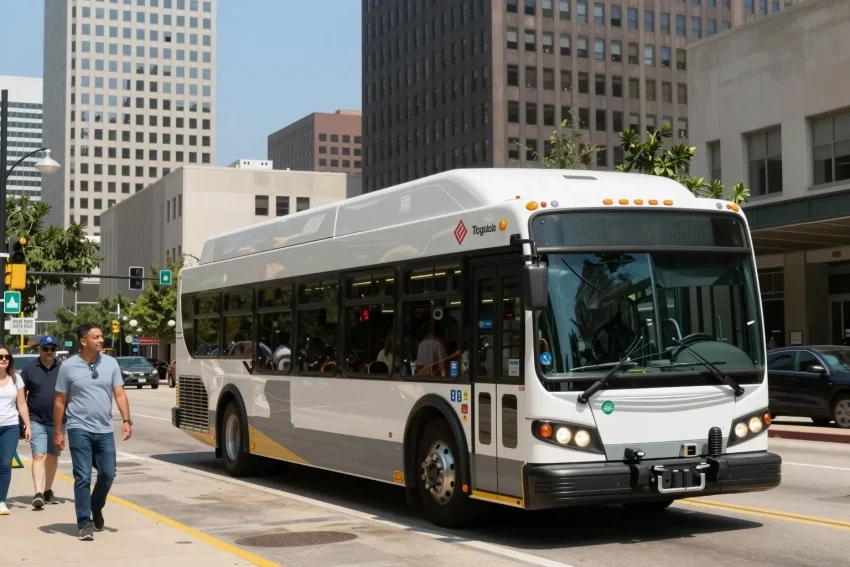
Public transportation plays a critical role in urban environments‚ offering mobility to millions while significantly reducing traffic congestion and environmental impact. In Houston‚ Texas‚ the responsibility of ensuring safe and reliable public transit falls on the Metro Transit Authority; However‚ this responsibility comes with its own set of challenges‚ particularly in the domain of insurance and risk management.
Understanding Insurance in Public Transportation
Insurance is a fundamental aspect of risk management for any public transportation system. It provides financial protection against various liabilities that may arise from accidents‚ property damage‚ or personal injury to passengers and operators. In Houston‚ public transportation insurance coverage encompasses a broad spectrum of policies tailored to meet the needs of the transit authority.
The Role of Insurance Carriers and Underwriters
Insurance carriers and underwriters play pivotal roles in the public transportation ecosystem. They assess the risk associated with operating a large fleet of vehicles and determine the appropriate coverage and premiums. The underwriters evaluate factors such as the size of the fleet‚ historical claims‚ safety records‚ and regulatory compliance to develop comprehensive policies that protect both the transit authority and the passengers.
Types of Coverage for Public Transportation
The types of coverage provided to public transportation systems include:
- Liability Insurance: This covers legal liabilities for injuries or damages to third parties‚ including passengers and pedestrians.
- Property Insurance: Protects the physical assets of the transit authority‚ including vehicles and infrastructure.
- Accident and Health Insurance: Offers protection for operators and employees against workplace injuries and health-related incidents.
- Fleet Insurance: A specialized form of coverage that addresses the unique risks associated with operating a large number of vehicles.
The Houston Metro Transit Authority
The Metropolitan Transit Authority of Harris County‚ commonly referred to as Metro‚ is responsible for providing public transportation services in Houston. Metro operates a diverse fleet of buses‚ rail‚ and other transit services‚ making it one of the largest public transportation systems in Texas. Ensuring the safety and reliability of this extensive network requires a robust insurance policy and effective risk management strategies.
Risk Management and Safety Strategies
Metro implements comprehensive risk management strategies to minimize potential liabilities. This includes regular safety training for operators‚ routine maintenance checks on vehicles‚ and adherence to stringent regulatory compliance standards. By prioritizing safety‚ Metro not only reduces the likelihood of accidents but also potentially lowers insurance premiums.
Claims and Financial Protection
In the event of an accident or incident‚ Metro relies on its insurance coverage to handle claims efficiently. The process involves collaboration between the transit authority‚ insurance carriers‚ and legal teams to ensure fair compensation for any damages or injuries. This financial protection is crucial in maintaining public trust and operational continuity.
Challenges and Considerations
Despite the comprehensive insurance coverage‚ Metro faces several challenges in managing risks and liabilities. The dynamic nature of urban transportation‚ coupled with evolving regulatory requirements‚ necessitates constant evaluation and adjustment of insurance policies. Additionally‚ the increasing frequency and severity of weather-related events pose new risks that must be addressed through innovative insurance solutions.
Regulatory Compliance
Compliance with federal‚ state‚ and local regulations is a critical component of public transportation insurance. These regulations dictate minimum coverage requirements and safety standards‚ ensuring that transit systems operate within legal frameworks. Metro works closely with regulatory bodies to maintain compliance and uphold the highest standards of safety and service.
Collaboration with Insurance Providers
Successful insurance and risk management in public transportation require close collaboration between Metro and its insurance providers. This partnership involves ongoing communication and data sharing to assess risks accurately and develop tailored insurance solutions. By working together‚ Metro and the insurance carriers can effectively address the unique challenges of urban transit systems.
Insurance is an indispensable element of public transportation in Houston‚ Texas‚ providing essential coverage and financial protection against a wide range of risks. Through strategic partnerships with insurance carriers‚ Metro is able to manage its fleet‚ protect its operators and passengers‚ and comply with regulatory requirements. As the city continues to grow and evolve‚ so too will the challenges and opportunities in insuring its public transportation system.