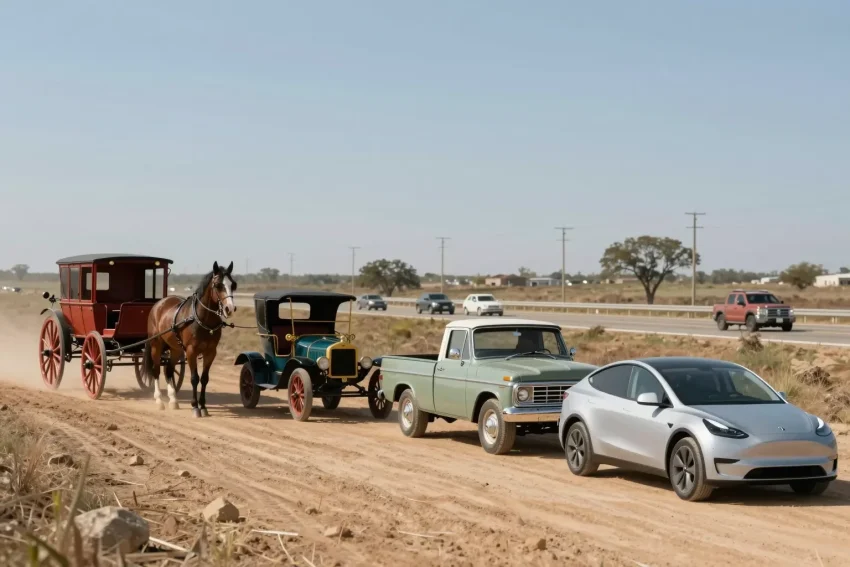
The transformation of transportation in Texas is a fascinating journey that intertwines with the state’s economic growth‚ urbanization‚ and innovations in technology. The evolution of infrastructure‚ encompassing highways‚ railroads‚ and public transit‚ has been pivotal in shaping Texas’s connectivity and mobility. This article delves into the historical development of Texas’s transportation landscape‚ highlighting key changes and modern advancements that continue to impact both urban and rural areas.
Historical Development
Transportation in Texas has undergone significant changes since the 19th century. Initially‚ railroads were the backbone of connectivity‚ facilitating economic growth by linking rural areas with urban centers. The expansion of railroads in the late 1800s was crucial for transporting freight‚ primarily agricultural products‚ to markets across the country.
By the mid-20th century‚ the focus shifted towards highways‚ driven by the increasing popularity of automobiles. The creation of the Interstate Highway System marked a significant policy change‚ enhancing connectivity and spurring urbanization. Highways became vital arteries for both passenger travel and freight movement‚ contributing to Texas’s rapid economic expansion.
Urbanization and Public Transit
Urbanization in Texas‚ particularly in cities like Houston‚ Dallas‚ and Austin‚ necessitated advancements in public transit systems. As populations swelled‚ congestion became a pressing issue‚ prompting investments in public transit infrastructure. Light rail systems and buses have been integral in providing sustainable and energy-efficient mobility options‚ reducing the reliance on personal vehicles.
Innovation and Technological Advancements
The advent of innovation and technology has further revolutionized transportation in Texas. The emergence of ride-sharing services and autonomous vehicles has transformed how Texans commute‚ offering flexible and convenient alternatives to traditional transport modes. These advancements have also prompted policy changes aimed at integrating new technologies into existing transportation frameworks.
Air Travel and Connectivity
Texas has also seen significant developments in air travel‚ with major airports like Dallas/Fort Worth International and George Bush Intercontinental enhancing global connectivity. Air travel has played a crucial role in supporting Texas’s economic growth‚ facilitating the movement of people and goods on an international scale.
Electrification and Sustainability
Electrification of transportation is an emerging trend in Texas‚ driven by a growing emphasis on sustainability and energy efficiency. The adoption of electric vehicles and the development of charging infrastructure are key components of the state’s strategy to reduce carbon emissions and promote sustainable transportation solutions.
Freight and Economic Growth
Freight transportation remains a cornerstone of Texas’s economy. The state’s strategic location as a border state and its extensive highway and railroad networks facilitate the efficient transport of goods‚ bolstering economic growth. Innovations in logistics and freight management continue to enhance the efficiency and sustainability of freight movement.
Challenges and Future Outlook
Despite significant advancements‚ Texas faces ongoing challenges related to congestion and infrastructure demands. Balancing the needs of urban and rural areas requires comprehensive policy changes and investment in infrastructure development. Efforts to integrate autonomous vehicles‚ expand public transit‚ and enhance energy efficiency are crucial for addressing these challenges.
Looking ahead‚ Texas’s transportation landscape will continue to evolve‚ driven by technological innovation‚ policy shifts‚ and a commitment to sustainability. The state’s ability to adapt to these changes will be vital in ensuring continued economic growth and enhanced connectivity for all Texans.
The evolution of transportation in Texas is a testament to the state’s dynamic growth and adaptability. From the early days of railroads to the modern era of autonomous vehicles and electrification‚ Texas’s transportation infrastructure has continuously transformed to meet the needs of its diverse population. As Texas continues to innovate and embrace sustainable solutions‚ its transportation system will play a crucial role in shaping the state’s future.