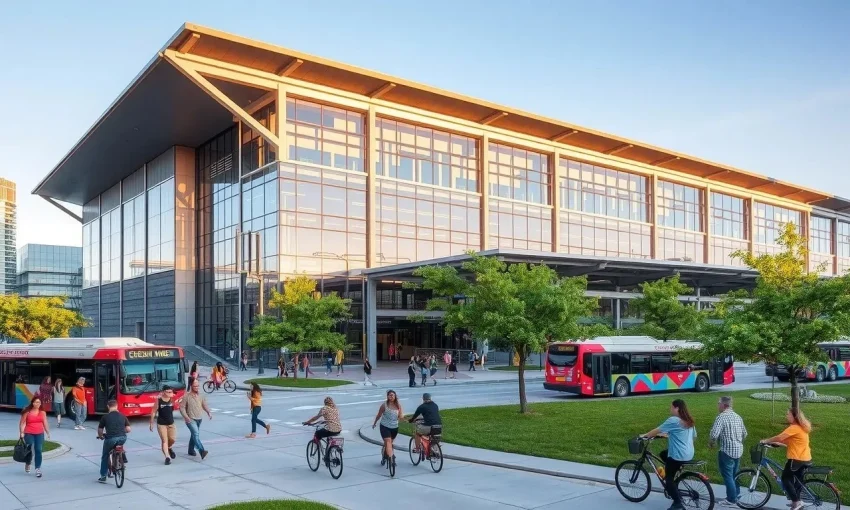
Austin, Texas is a vibrant city known for its live music scene, tech industry, and rapidly growing population. With this growth comes the challenge of developing an effective regional transportation system to support the city’s expanding needs. This article explores whether Austin has a regional transportation center and delves into the city’s overall transportation infrastructure.
The Role of Capital Metro
At the heart of Austin’s public transit is Capital Metro, the city’s primary transit authority. Capital Metro plays a crucial role in facilitating mobility across the region through an extensive network of commuter services, bus systems, and rail options.
Capital Metro’s Infrastructure
Capital Metro’s infrastructure includes a range of facilities and service routes designed to enhance connectivity and accessibility for residents and visitors. The development of a comprehensive transport network is essential for addressing Austin’s urban development challenges and ensuring efficient travel throughout the city.
Bus System
The bus system is a cornerstone of Capital Metro’s offerings, covering extensive routes that connect various neighborhoods and business districts. With frequent service and multiple lines, the bus system is integral to Austin’s public transit infrastructure.
Rail Services
In addition to buses, Capital Metro operates a rail line known as the MetroRail. This service provides an efficient alternative for commuters traveling between downtown Austin and the northern suburbs, contributing to the city’s efforts to reduce road congestion and improve air quality.
Regional Transportation Facilities
Austin’s transportation hub capabilities are further supported by various facilities that enhance the overall transit experience. These include park-and-ride locations, transit centers, and dedicated lanes for buses and cyclists, all of which contribute to a more integrated and efficient transportation system.
Park-and-Ride Facilities
Park-and-ride facilities offer commuters the convenience of parking their vehicles at designated locations and using public transit for the remainder of their journey. This setup reduces the number of cars on the road and helps ease traffic congestion in central areas.
Transit Centers
Transit centers serve as critical nodes within the transportation network, allowing for easy transfers between various modes of transport such as buses and rail. These centers are strategically located to maximize accessibility and convenience for passengers.
City Planning and Urban Development
Effective city planning is essential for creating a sustainable and efficient regional transportation system. Austin’s planners are continuously working on projects to improve the city’s transport network and provide better service routes that cater to the needs of its growing population.
Future Developments
Future developments in Austin’s transportation infrastructure focus on expanding the existing network and incorporating advanced technologies. This includes plans for additional rail lines, enhanced bus services, and the integration of smart technologies to improve overall system efficiency.
Challenges and Opportunities
While there are challenges in terms of funding and coordination, there are also significant opportunities to enhance Austin’s connectivity and travel options. The city’s proactive approach to urban development aims to balance these challenges with strategic investments in infrastructure.