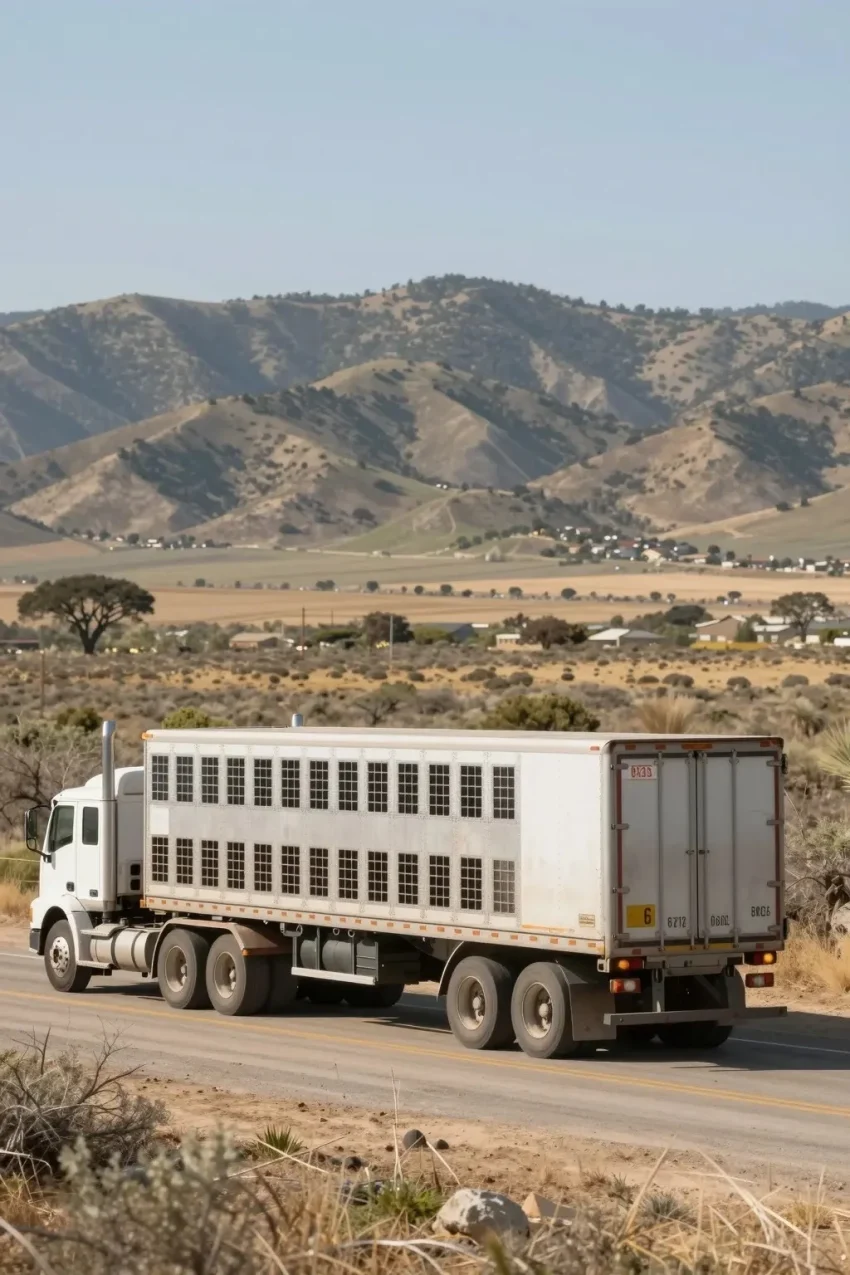
Transporting wild game from Texas to California involves navigating a complex web of regulations that ensure the legal and safe movement of wildlife across state lines. This article explores the various aspects involved, from legal requirements to environmental considerations.
Understanding the Legal Framework
The transportation of wild game is subject to stringent regulations to prevent illegal activities and preserve wildlife populations. Both Texas and California have specific laws governing the interstate movement of game meat and animal transport that hunters must follow.
Hunting Regulations in Texas and California
Before engaging in hunting activities, it’s crucial to understand each state’s hunting regulations. In Texas, a valid hunting license is required, and hunters must adhere to specific seasons and bag limits for different species. California, on the other hand, has its own set of rules, including necessary permits for certain activities.
Interstate Transportation Laws
When transporting wild game from Texas to California, both states’ laws must be considered. The Lacey Act, a federal law, prohibits the interstate transport of wildlife that has been taken or possessed in violation of any state’s laws. Therefore, compliance with both Texas and California regulations is essential.
Wildlife Management and Conservation
Effective wildlife management and conservation are crucial in maintaining healthy populations and ecosystems. Both Texas and California implement strategies to ensure sustainable hunting practices and the protection of species.
Conservation Efforts in Texas
Texas Parks and Wildlife Department (TPWD) oversees conservation efforts in Texas. The department works to balance hunting activities with wildlife preservation, ensuring that species are not over-harvested.
California’s Approach to Wildlife Conservation
California’s Department of Fish and Wildlife (CDFW) enforces strict regulations to protect its diverse ecosystems. Special attention is given to endangered species, and specific permits may be required to hunt certain animals.
Permits and Health Inspections
Transporting wild game across state lines requires specific permits and health inspections to ensure that the meat is safe for consumption and free from diseases that could impact human or animal health.
Obtaining Necessary Permits
Both Texas and California require hunters to obtain permits for transporting game meat. These permits ensure that the meat complies with health standards and that the hunter has legally harvested the animal.
Health Inspection Requirements
To prevent the spread of diseases such as Chronic Wasting Disease (CWD), health inspections are mandatory. Game meat must be inspected and approved by health officials before it can be transported interstate.
Environmental Impact and Conservation
The movement of wild game between states can have significant environmental impacts. It is essential to consider these impacts to ensure the long-term sustainability of wildlife populations.
Impact on Ecosystems
The introduction or removal of species from an ecosystem can disrupt the balance, leading to unforeseen consequences. Hunters must be aware of these impacts and adhere to regulations that protect ecosystems.
Balancing Hunting and Conservation
Responsible hunting practices contribute to conservation efforts. By following regulations and respecting bag limits, hunters help maintain healthy wildlife populations and ecosystems.
Transporting wild game from Texas to California is a process governed by a comprehensive set of laws and regulations. Hunters must be diligent in understanding and adhering to these rules to ensure legal and environmentally responsible practices. By doing so, they contribute to the preservation and management of wildlife for future generations.