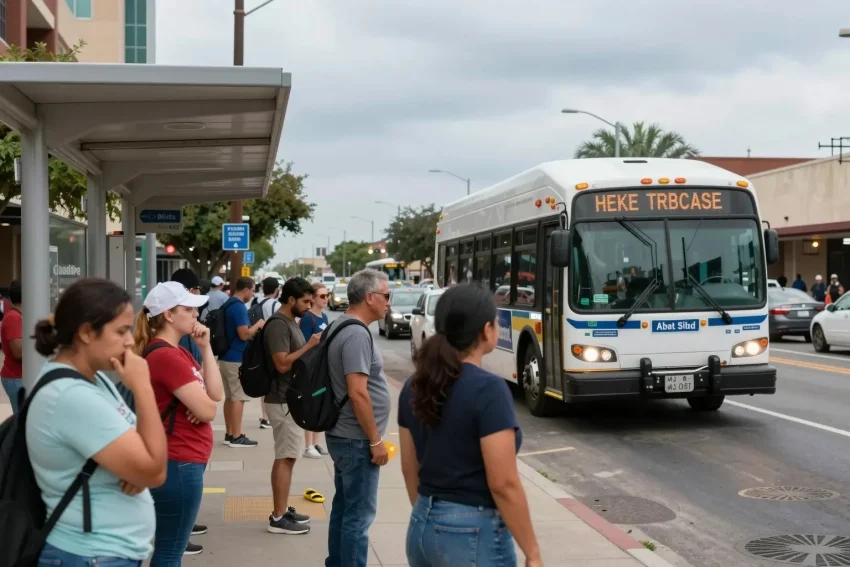
Public transportation is a critical component of urban planning and infrastructure, providing essential mobility for millions of residents and helping to alleviate traffic congestion․
In Texas, a state known for its vast size and growing population, public transportation systems play a crucial role in connecting communities and supporting economic growth․
However, the effectiveness and efficiency of these systems remain a topic of debate․
This article explores the current state of public transportation in Texas, focusing on key challenges such as transit system efficiency, commuter challenges, funding, and accessibility․
State of Public Transportation in Texas
Texas is home to several major metro areas, including Houston, Dallas-Fort Worth, San Antonio, and Austin․
Each of these cities has developed its own public transit system in response to growing urbanization and increasing demand for efficient travel options․
However, despite these efforts, public transportation in Texas faces criticism for its inadequacies and inefficiencies․
Challenges in the Transit System
One of the primary challenges facing public transportation in Texas is its infrastructure․
Texas, traditionally known for its car-centric culture, has not invested as heavily in public transit infrastructure compared to other states․
As a result, the transit systems in Texas cities often struggle with outdated facilities and limited coverage․
This inadequacy is further compounded by the sprawling nature of Texas cities, which makes it difficult to establish comprehensive bus routes and rail lines that efficiently connect all areas․
Commuter Challenges and Accessibility
Commuters in Texas face a variety of challenges when relying on public transportation․
Issues such as service frequency and accessibility are common complaints among users․
Bus routes may be infrequent, leading to long wait times and unreliable service․
Additionally, some areas lack sufficient public transit access, forcing residents to rely on personal vehicles or alternative modes of transportation․
Accessibility is another significant concern, particularly for individuals with disabilities or those living in underserved communities․
Inadequate infrastructure and limited transit options can prevent these individuals from accessing essential services and employment opportunities․
Impact on Ridership and Traffic Congestion
The challenges faced by public transportation in Texas have a direct impact on ridership levels․
When transit systems are unreliable or inconvenient, potential riders often choose to drive instead, exacerbating traffic congestion in already congested urban areas․
This increase in vehicular traffic not only contributes to environmental pollution but also hinders overall travel efficiency within metro areas․
Funding and Transportation Policy
Funding is a critical issue for public transportation in Texas․
Limited financial resources restrict the ability of transit agencies to expand and improve services․
State and local governments must prioritize transportation policy initiatives to secure necessary funding for infrastructure development and service enhancements․
Innovative funding solutions, such as public-private partnerships and dedicated transit taxes, could provide the necessary capital to address these challenges․
However, implementing such policies requires political will and public support․
Efforts to Improve Travel Efficiency
Despite the challenges, several initiatives are underway to improve public transportation in Texas․
Cities like Houston and Dallas have invested in expanding their light rail systems, while Austin is exploring rapid transit options․
These efforts aim to enhance travel efficiency and reduce reliance on personal vehicles․
Additionally, advancements in technology, such as real-time transit tracking apps and integrated fare systems, are helping to improve the user experience and make public transportation more appealing to commuters․
Public transportation in Texas is a complex and multifaceted issue, with significant room for improvement․
Addressing challenges related to infrastructure, commuter accessibility, service frequency, and funding is crucial for developing efficient and reliable transit systems․
As Texas continues to grow, effective urban planning and proactive transportation policy will be essential in ensuring that public transportation meets the needs of its diverse and expanding population․
The future of public transportation in Texas depends on a collaborative effort between government agencies, private entities, and the public to create sustainable and accessible transit solutions․
By prioritizing investments in public transportation, Texas can overcome its current challenges and pave the way for a more connected and efficient future․