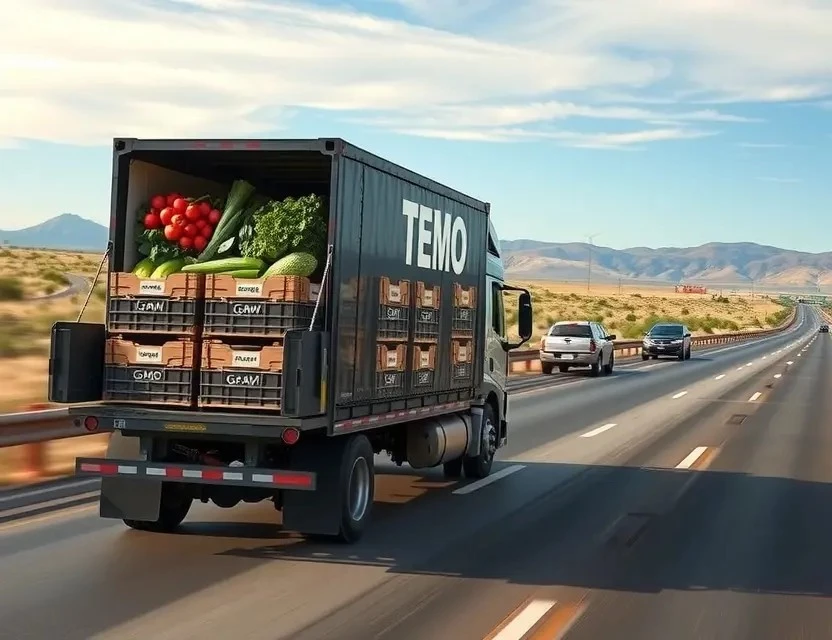
The state of Texas, known for its vast landscapes and agricultural prowess, plays a significant role in the
transportation and distribution of genetically modified organisms (GMO) foods․ Understanding the complexities of
how many GMO foods are transported into Texas involves examining the agriculture,
transportation, and distribution networks that underpin this dynamic industry․
The Role of Texas in Agriculture and Transportation
Texas, with its immense size and favorable climate, is a major player in the agriculture industry․
The state is not only a producer but also a significant importer of agricultural products, including
biotech crops․ These genetically modified crops are engineered for enhanced crop yield, pest
resistance, and environmental sustainability․
Genetically Modified Organisms (GMO) in Agriculture
GMO foods, primarily corn, soybeans, and cotton, form a substantial part of the supply chain․
The import of these products into Texas involves intricate logistics and trade
routes․ Primary import channels include land and sea transport, aided by Texas’s extensive infrastructure and
strategic location․
Transportation and Supply Chain Dynamics
Transportation is a critical component in the supply chain of GMO foods․ Texas’s robust network of highways,
railroads, and ports facilitates the efficient movement of goods․ The state’s position as a trade hub means it
receives significant quantities of GMO foods from both domestic and international sources․
These foods are often transported by rail and truck, with major ports such as the Port of Houston
playing a vital role in importing GMO products․ The logistics of transporting these goods are complex, involving
temperature control, timely distribution, and adherence to safety standards․
Regulation and Safety of GMO Foods
The import and distribution of GMO foods into Texas are subject to stringent regulations and
policies designed to ensure safety and consumer confidence․ Agencies such as the USDA and FDA oversee the
regulatory framework governing the transportation and sale of GMO foods․
These regulations mandate proper labeling of GMO products to provide transparency and allow
consumers to make informed choices․ Safety protocols are also in place to mitigate any potential health risks
associated with GMO consumption․
Agriculture Policy and Consumer Demand
Agricultural policies in Texas reflect a balance between advancing biotechnological innovations and addressing
consumer demand for non-GMO products․ The demand for organic and non-GMO foods has influenced how GMO foods are
marketed and distributed in the state․
Consumer demand is a driving force that shapes agricultural policy and the import dynamics of GMO foods․ Many
consumers in Texas are concerned about the environmental impact and potential health implications
of GMOs, prompting a push for clearer labeling and more sustainable practices․
Environmental Impact and Crop Yield
The environmental impact of GMO foods is a topic of ongoing debate․ Proponents argue that biotech crops can lead
to increased crop yield and reduced pesticide use, contributing to environmental conservation․
However, concerns about biodiversity and ecological balance remain․
In Texas, the cultivation and import of GMO foods are closely monitored to ensure that they contribute positively
to agricultural productivity without compromising environmental integrity․
The transportation of GMO foods into Texas is a multifaceted issue involving agricultural production, logistics,
regulatory compliance, and consumer preferences․ As biotech crops continue to evolve, Texas remains
at the forefront of integrating these innovations into its agricultural framework․
Understanding the flow of GMO foods into Texas requires a comprehensive approach that considers all aspects of
the supply chain, from production and importation to distribution and consumer impact․ As the demand for GMO and
non-GMO products evolves, Texas will continue to adapt its strategies to meet the needs of its diverse population․