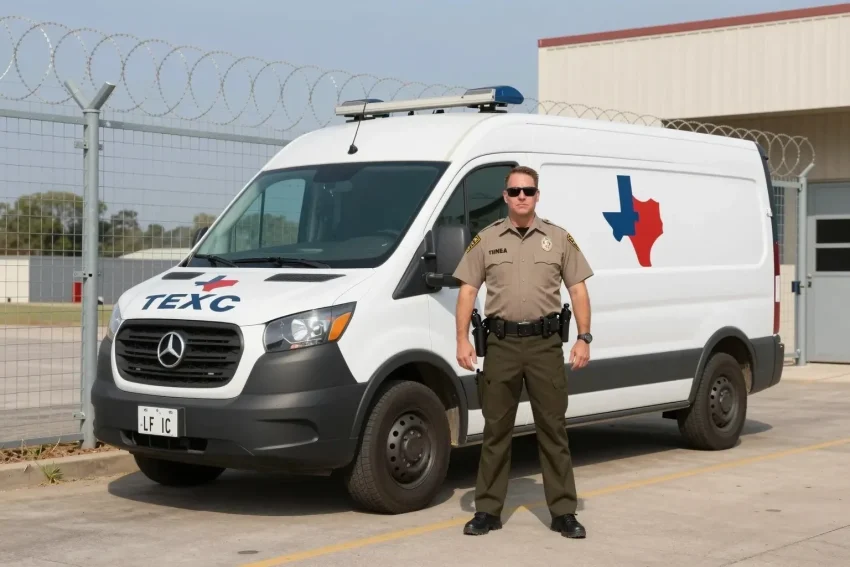
In Texas, the laws governing the carrying of firearms by jail transport officers are shaped by a complex interplay of firearm policy, state regulations, and security protocols․ Understanding whether a jail transport officer can carry a firearm involves examining Texas law, officer duties, and public safety considerations․ This article delves into the legal framework, training requirements, and practical implications of firearm use by jail transport officers in Texas․
Texas Law and Firearm Policy
Texas is known for its permissive gun laws, but there are specific legal requirements and state regulations that must be met by those authorized to carry firearms, particularly in law enforcement roles․ Texas law provides provisions under which law enforcement and correctional officers, including jail transport officers, can carry firearms․ These provisions are guided by the need to ensure public safety and maintain order during the transport of inmates․
Legal Requirements for Jail Transport Officers
Under Texas law, jail transport officers, who are often classified as correctional officers, fall under the umbrella of law enforcement personnel․ As such, they are typically authorized to carry firearms while performing their duties, provided they meet certain qualifications․ The legal requirements for these officers include:
- Completion of firearms training as mandated by Texas Commission on Law Enforcement (TCOLE)․
- Adherence to weapon regulations and security protocols set by their employing agency․
- Possession of a valid license or certification that permits them to carry a weapon․
State Regulations and Concealed Carry
While officers are generally permitted to carry firearms, Texas law specifies conditions under which they may do so․ This includes regulations regarding concealed carry and the types of firearms that can be carried․ Officers must comply with these regulations to ensure their actions align with state laws and agency policies․
Officer Duties and Security Protocols
Jail transport officers have the critical duty of transferring inmates between correctional facilities, courts, and other locations․ The nature of their work requires stringent security measures to prevent escapes and ensure the safety of the public, officers, and inmates․ The use of firearms is a significant part of these security measures․
Security Measures in Transport Protocols
Security protocols for jail transport officers include:
- Comprehensive officer training focused on handling firearms and managing high-risk situations․
- Implementation of transport protocols that dictate when and how firearms can be used during inmate transport․
- Regular drills and evaluations to ensure officers are prepared for emergencies․
These measures are designed to equip officers with the skills necessary to handle firearms responsibly and effectively during inmate transport․
Officer Training and Firearms Training
Firearms training is a critical component of the preparation process for jail transport officers․ This training includes:
- Instruction on the safe handling and use of firearms․
- Tactics for conflict resolution and de-escalation․
- Legal aspects of using deadly force in line with state regulations․
Training programs are designed to ensure officers understand the gravity of carrying a firearm and the responsibilities that come with it․
Correctional Facilities and Armed Personnel
Correctional facilities in Texas are governed by stringent rules designed to maintain order and security․ Officers working within these facilities, especially those tasked with transporting inmates, are often required to carry firearms as part of their duties․
Role of Armed Personnel in Correctional Facilities
Armed personnel play a crucial role in maintaining the safety and security of correctional facilities․ Their presence serves as a deterrent to potential escape attempts and ensures that any threats can be swiftly neutralized․ In the context of inmate transport, armed personnel are vital in:
- Preventing inmate escapes․
- Responding to emergencies or threats quickly and effectively․
- Maintaining overall security during transport operations․
Public Safety Considerations
While the ability to carry firearms is essential for the duties of jail transport officers, it is equally important to consider the implications for public safety․ The balance between ensuring security and preventing misuse of firearms is delicate and must be managed through robust policies and training․
Ensuring Public Safety
Public safety is a primary concern, and Texas law enforcement agencies take several steps to ensure that firearms carried by transport officers do not pose a threat to the community․ These steps include:
- Strict adherence to security protocols and guidelines․
- Regular audits and reviews of firearm policies and practices․
- Continuous education and training for officers to stay updated on best practices․
Weapon Regulations and Gun Laws
Texas gun laws are among the most detailed in the United States, providing a framework within which firearms can be carried and used by law enforcement personnel․ These regulations ensure that the carrying of firearms by jail transport officers is conducted within legal boundaries and with consideration for the safety of all involved․
In Texas, jail transport officers are generally permitted to carry firearms, provided they meet the specified legal and training requirements․ The ability to carry a firearm is a critical aspect of their role, enabling them to ensure the security of inmate transport operations and the safety of the public․ However, this authority comes with significant responsibility and requires adherence to stringent state regulations, security measures, and training protocols․
Ultimately, the capacity for a jail transport officer to carry a firearm in Texas is contingent upon a comprehensive understanding of firearm policy, Texas law, and the overarching goal of maintaining public safety․ Through a combination of rigorous training, legal compliance, and effective security protocols, Texas ensures that its law enforcement and correctional officers are well-equipped to carry out their duties responsibly and effectively․